
Decades Of Climate Alarmism Behind Energy Crisis And Stock Market Crash
March 19 | Posted by mrossol | Biden, Energy, Environment, Global Warming, Nuclear Power, Stupidity| MICHAEL SHELLENBERGER MAR 19, 2026 |
Thinking people have been making this argument for decades. Hint: most politicians are not thinking people. mrossol
Stock markets around the world are crashing after the destruction of a single, massive liquefied natural gas (LNG) facility in Qatar by Iranian missiles last night. Shell’s Pearl GTL sat inside the larger Ras Laffan complex, which, before the war, produced roughly 20% of the world’s liquefied natural gas (LNG). It had taken four years, from 2007 to 2011, to build. Its loss will mean a long-term shortage of LNG. Europe’s LNG prices rose 35% since the attack and by more than 100%, from €32 euros per MWh to over €70 today, since last month. Asia was already returning to coal before the loss of the Pearl GTL facility, and will burn more of it now that LNG is being priced out of reach of poor nations. Already, Qatar’s North Field expansion had been delayed to mid-2027. With the rebuild of Pearl GTL expected to take three to five years, that expansion timeline slips further.
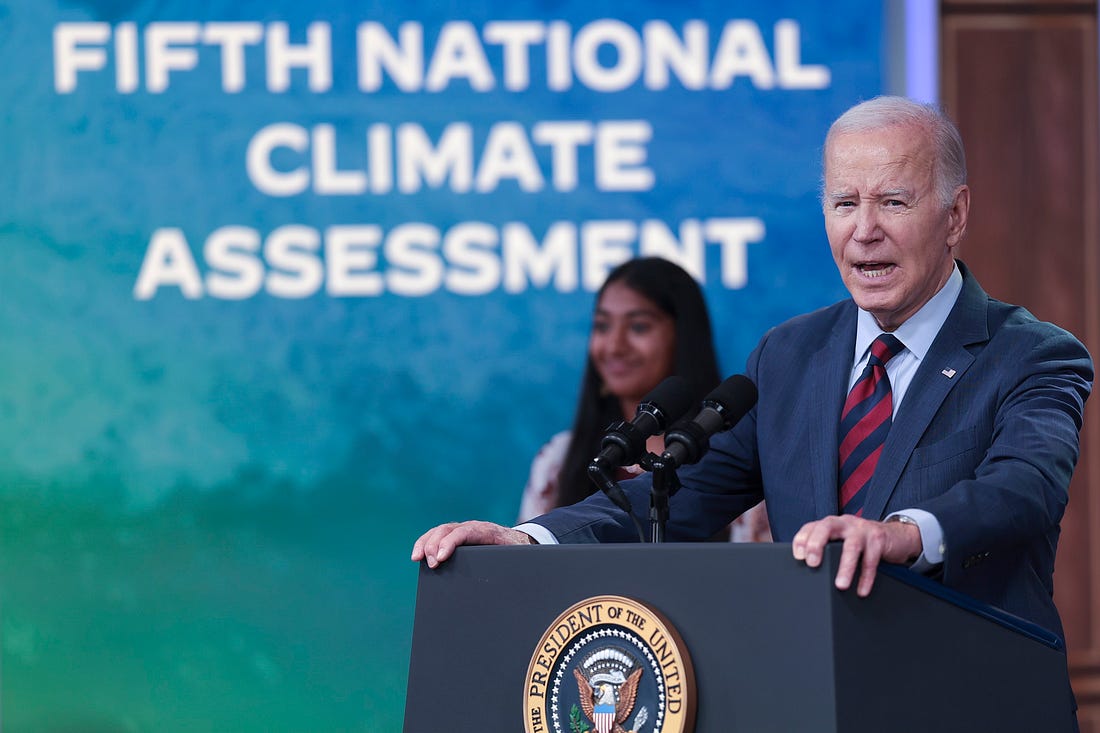
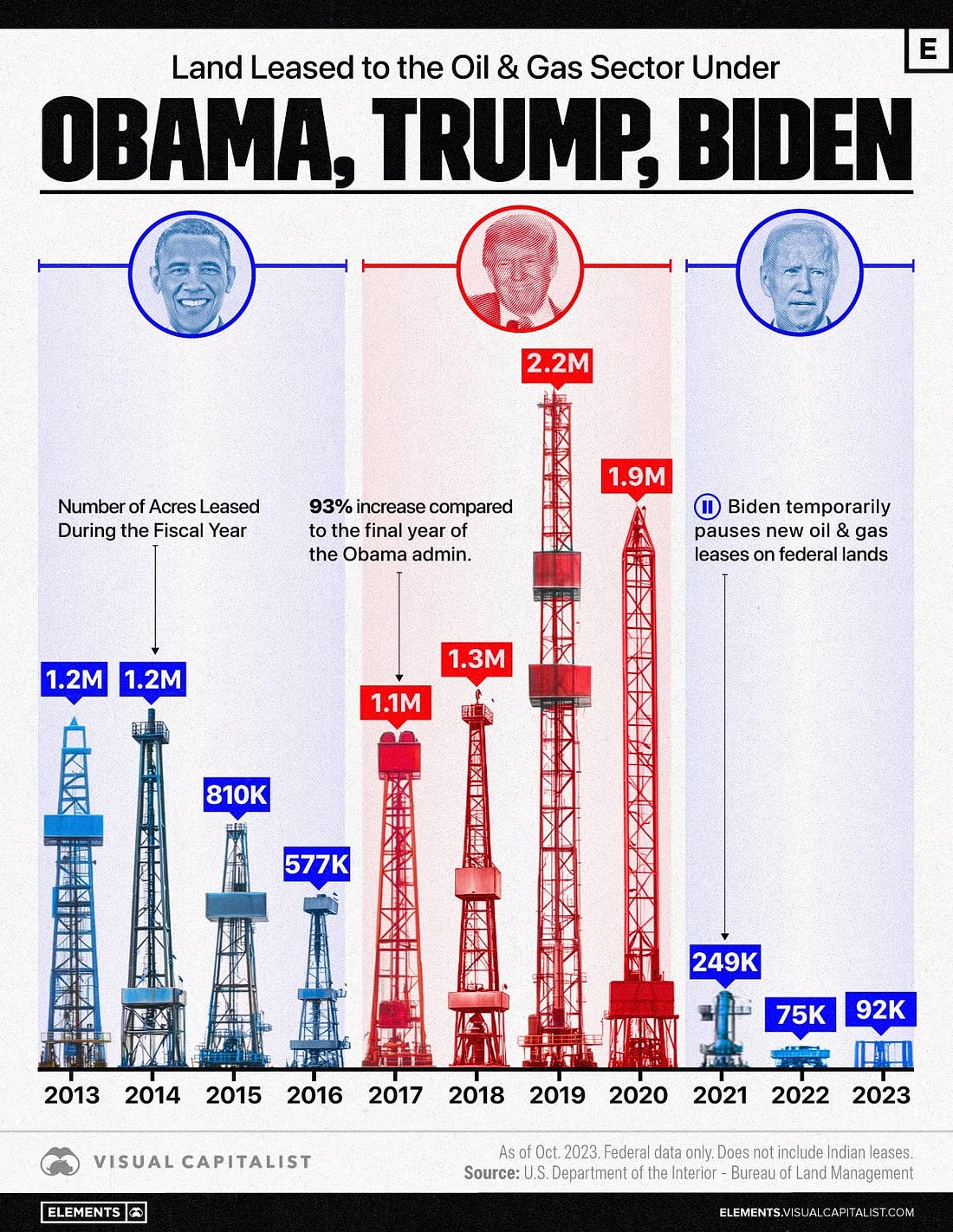
But the underlying reason for this crisis is a lack of LNG plants. We didn’t need more natural gas infrastructure, said the media, Democrats, and climate advocates, over the last 15 years. Every new LNG terminal was, they said, a “climate bomb.” Groups including Reclaim Finance, Rainforest Action Network, Bill McKibben’s 350.org, and Greenpeace waged a coordinated campaign to cut off financing for LNG terminals. They staged die-ins outside Bank of America. They cut up credit cards at Chase branches. They captured$130 trillion into the Glasgow Financial Alliance for Net Zero. They publishedannual scorecards shaming any bank that lent to LNG developers. The divestment movement boasted that $39.2 trillion in capital had been “blocked” from fossil fuels. The groups succeeded beyond their wildest dreams. Biden paused new LNG export approvals in January 2024 under direct pressurefrom climate groups. Investors have underinvested in LNG ever since.
Of course, the war is the immediate cause of the shortage, not the climate activists, and last fall, the media and many investment analysts predicted a “glut” of LNG that would reduce prices. The problem was that their models assumed uninterrupted supply from the most geopolitically fragile region on earth. Investors and analysts once again failed to prepare for a “black swan” event like a war, in part because past interruptions of supplies could be quickly repaired, unlike the Iranian destruction of Shell’s Pearl GTL, whose owner says it will take three to five years to rebuild. The “glut” that analysts feared heading into 2026 was never a problem. It was the margin of safety that importing countries needed to survive exactly this kind of shock.
Climate activists and the glut forecasters worked together to create a framework in which surplus capacity looked wasteful rather than prudent. Climate activism helped ensure there was no LNG buffer when the shortage hit by making it look like a climate crime to build one. Climate groups worked with governments to pressure banks through the Net Zero Banking Alliance, which framed new LNG infrastructure as a “stranded-asset risk,” as though future LNG demand would decline once the world woke up to the climate apocalypse. The IEA’s Net Zero by 2050 scenario declared that “no new fossil fuel infrastructure is needed beyond projects already in progress,” and that report became the baseline for bank compliance departments worldwide. BankTrack shamed banks that invested in LNG.
And for a decade earlier, The New York Times, Bill McKibben, and well-financed environmental groups waged war on fracking, the technology that made the U.S. the world’s largest natural gas producer and largest LNG exporter. Then they fought the terminals needed to export the gas fracking produced.

Why were so many climate activists and investors alike so delusional about risk? Why do they view climate change as a greater risk than war, and imagine that demand for energy in the future would decline?
At the environmental movement’s intellectual core is Malthusianism: the belief that human consumption will inevitably outstrip the earth’s resources and that we must prepare for that day by radically reducing our consumption. After the 1960s, this Malthusian impulse merged with a broader radical-left narrative about civilization itself. In this telling, Western civilization was built on indigenous genocide, slavery, and ecocide, culminating in the Holocaust, nuclear annihilation, and then, after the Cold War, climate change.
Since our high-energy civilization is immoral, in the mind of the apocalyptic climatists, simply acknowledging the need for large supplies of reliable is immoral as well. Creating a better future requires believing the fantasy that we can live low-energy lives. It became taboo within environmental circles, between the 1960s and early 2000s, to acknowledge that people in the future would continue to consume high amounts of energy.
Climatism is a secular pseudo-religion, complete with sin (emissions), damnation (climate catastrophe), and redemption (“degrowth”). It explains why climate activists fight nuclear power, which produces zero-carbon electricity, as ferociously as they fight coal. The target was never carbon. The target was always cheap, abundant energy, because cheap energy enables the industrial civilization they consider illegitimate.
Jesse Ausubel of Woods Hole and Rockefeller University saw it happen in real time. After helping start the IPCC, “the expected happened,” he said. “Opportunists flowed in. By 1992, I stopped wanting to go to climate meetings.” Climate scientists are usually computer modelers who view themselves as heroic prophets of the end times. Many are openly left-wing.
The loss of 20% of the world’s LNG demonstrates just how much power the climatists accumulated in Western societies, and yet the people who will pay the price are not Greenpeace activists or Goldman analysts. They are poor people in poor nations whose factories will be forced to shut down and whose electricity prices will be increased.
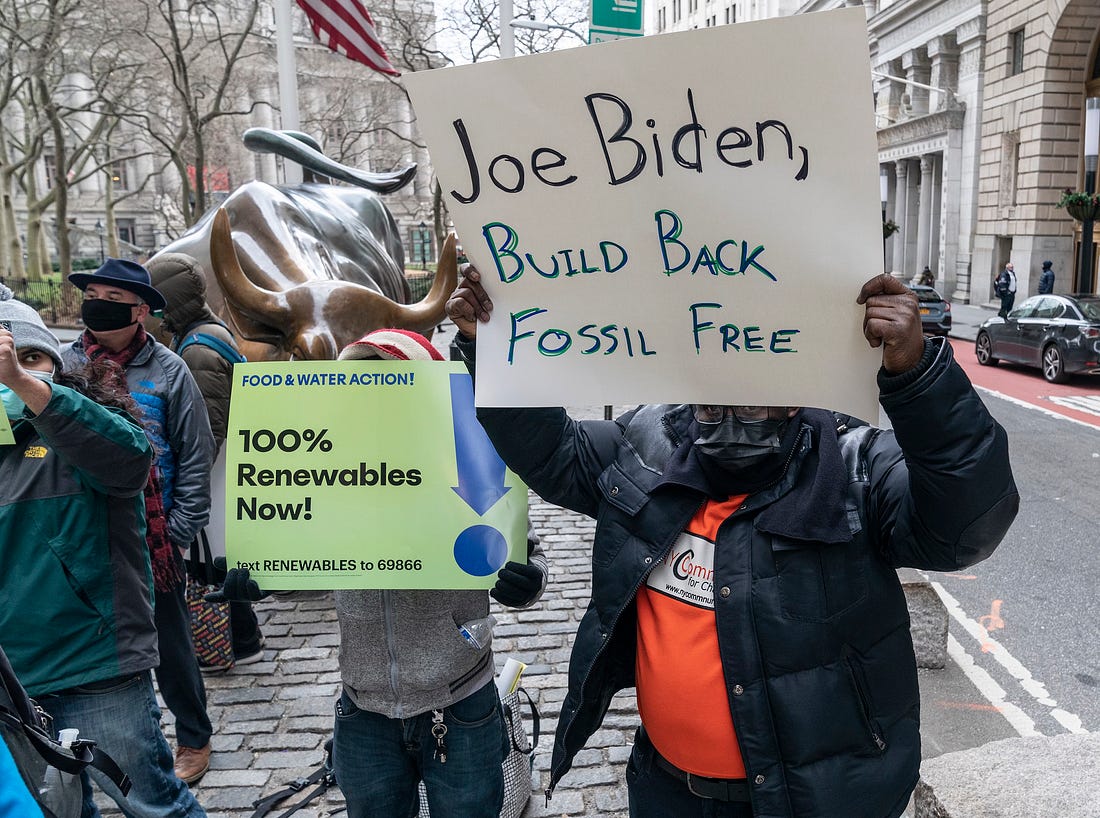
The case for building more LNG export terminals extends far beyond surviving the current crisis. It connects to the most important economic and strategic development of this century: artificial intelligence. As I wroteyesterday, the Department of Energy projects that data center electricity consumption will double or triple by 2028.
This is the largest surge in electricity demand in American history, and natural gas will provide the bulk of the near-term supply. And for wealthy nations like Japan, South Korea, and the members of the European Union, access to reliable LNG supply is essential to remaining competitive
In my 2022 Congressional testimony, I told the Committee that “we should do more to address climate change but in a framework that prioritizes energy abundance, reliability, and security.” That testimony emphasized that a far more immediate and dangerous threat than climate change was “insufficient energy supplies due to U.S. government policies and actions aimed at reducing oil and gas production.”
Energy scarcity does not produce a clean energy transition. It produces blackouts, rationing, school closures, and political instability. Energy abundance produces the opposite: lower prices, stronger grids, more investment, and the fiscal capacity to fund whatever transition the future demands.
The United States should build more LNG export terminals as fast as permits, financing, and engineering will allow. Trump reversed Biden’s LNG export pause on his first day in office. The DOE approved a 12 percent increase in exports from Cheniere’s Corpus Christi terminal. Venture Global announced a final investment decision on phase two of its Louisiana facility, securing $8 billion in financing. Golden Pass LNG is seeking FERC authorization to bring Train 1 online. They are crucial to improving resiliency.
And in the long term, we will also need to overcome climate alarmism.
Invite your friends and earn rewards




Leave a Reply
You must be logged in to post a comment.